A flood can cause a lot of damage to homes and their contents. Wells are also vulnerable to flood damage too. With the recent floods in our area, we have put together several articles to help keep you and your family safe.
 Wells:
If surface water makes it into a well it can often cause serious health problems. There are many sources of contamination of flood waters and frequently contain bactria, protozoa, and viruses ( E.coli, Giardia and hepatitis for example). If your well is flooded or you notice changes in taste, color or smell of your water, it is recommended that you immediately start boiling it when you use it for drinking, cooking, brushing your teeth and cleaning any wounds. The water should be brought to a vigorous rolling boil for at least 1 minute to assure all pathogens are killed.
The well and plumbing system must be disinfected. This includes all filters, pressure regulating tanks, water heaters, water softeners and supply lines. The recommended procedure for water supply system decontamination is detailed here: http://www.hipspro.com/pubs/flooding_well-decontamination.pdf
The only sure way to verify that well water is safe is to have it tested. Chlorine is effective against harmful organisms, but floods can also contain dangerous chemicals. Your local health department can give you instructions on properly testing your water.
Crawlspaces:
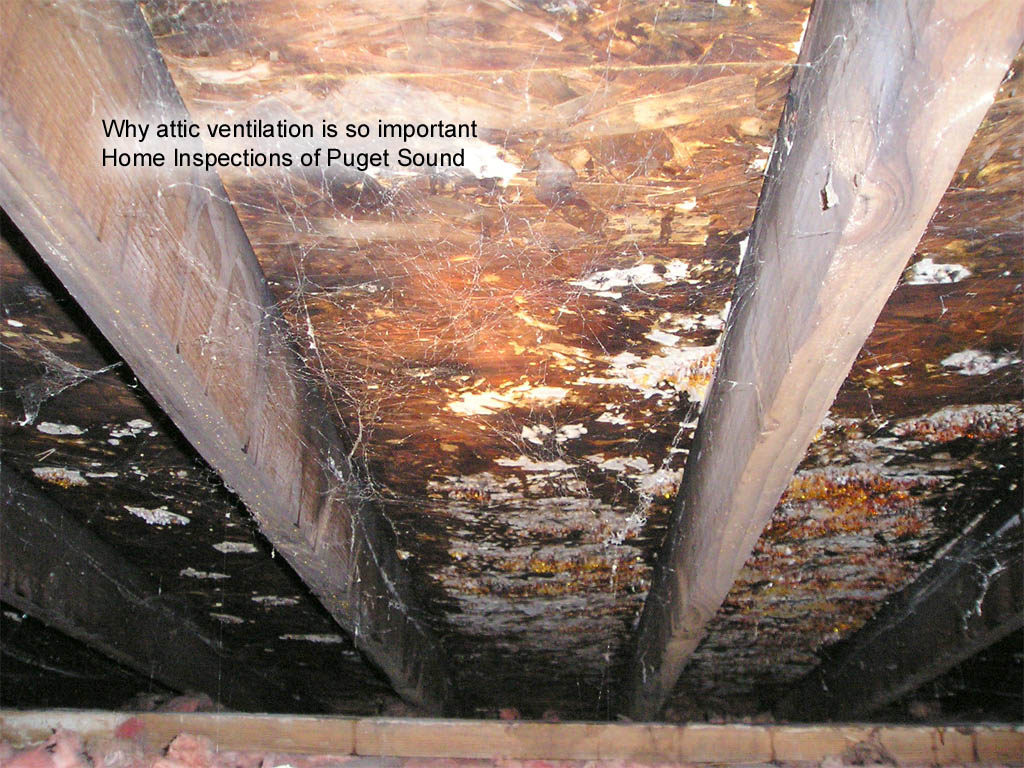
Water in walls crawl spaces and attics will lead to serious problems with structural pests, such as carpenter ants, moisture ants, termites and wood boring beetles. In the northwest, all common structural pests are dependent on high water content, so the most important thing is remove the saturated materials as soon as possible and strong ventilation to dry it out. Crawlspaces must be pumped out as soon as possible, and we recommend using a fan inside to keep the air moving (this will help dry it out). A 2nd fan should be used to pull the damp air out of the space. Do not blow air into the crawlspace, this will force water vapor and odor into the rest of the home. Install it at the crawlspace opening or at a vent. Assure that the vents are clear of debris and if the access hatch is open, cover it with a stiff wire screen to keep animals out of the space. Read more tips here: http://www.hipspro.com/pubs/floodmoisture.pdf
Carpets:
Usually carpets and rugs must be thrown away with few specific exceptions. If the flooding is from clean water, as in the case of a frozen supply lines or rain water are easier to treat then the gray or black water contamination. Gray water problems include dishwashers, washing machines, punctured waterbeds, or broken aquariums. Black water is the most contaminated with organisms capable of producing disease. Common sources of this contamination are flooding from seawater, rivers, or streams. If left untreated for more then 48 hours, gray water can turn into black water and the clean up is much harder.
 Remove and dispose of carpet saturated with “black water”. Always remove and dispose of carpet padding saturated with “gray” or “black water”. Carpet padding can be restored if it has been wet from clean water less than 48 hours and only part of the padding in a room is wet. Read the rest of these guidelines here: http://www.hipspro.com/pubs/rugs.pdf
Furniture:
Wood furniture comes in many grades and materials. Most antiques are made with solid wood and can often be saved. Furniture that is made with particle board of MDF (medium density fiberboard) get ruined very quickly. The extent of the damage, cost of replacement and cost of restoration help determine if an article should be saved. The most important thing is to dry it out as soon as possible since minor damage can become severe in just a few days and making salvage impossible. Read tips on saving furniture here: http://www.hipspro.com/pubs/furniture.pdf

If you find this information useful, don't keep us a secret! List us on any of your favorite networking / bookmarking sites