Monday, December 1, 2008

Outdoor electrical safety tips for holiday lighting

Holiday lighting is a wonderful tradition, and these tips will help to keep you and your family safe.

Use care not to overload your circuits. Do not run too many strings together, the amount of lights on string that can safely be connected differs for each type of light. Read and follow the manufacturer's recommendations. Carefully inspect each string for frayed insulation, loose connections or broken bulbs. Never plug in a string that has bulbs broken open, as the interior filament is a electrocution hazard. Only use lights outdoors that are approved for outdoor use.

Use timers to control your lighting to save more energy. This chart dramatically contrasts the old style bulbs with modern LCD technology lighting using as little as 1.15% of the energy of the old style lighting.

Another consideration is heat. Never install old style bulbs on a real tree. Think of string of 100, 10 watt lights, that is 1000 watts light and heat. You would never put a 1000 watt heater on a tree for obvious reasons, and these strings are nearly the equivalent of doing just that.

Be careful when hanging lights. Loose wiring is more easily damaged by movement from trees and wind. Never use standard staples, as they can cut into insulation and cause a short or shock hazard. Best to use insulated clips to hang lighting.

GFCI protected outlets are recommended for all outdoor electrical use. They dramatically reduce the risk of electrical shocks and electrocutions.

Use only UL approved exterior grade power cords outside with proper ground (3 prong connector). Never run cords through doorways, windows where they could get damaged or be a trip hazard. Keep all plugs and connectors off the ground, away from puddles and snow.

If you blow fuses or trip breakers, reduce the load on that circuit. Never change the amperage if a blown fuse, if a 15 amp fuse blows, reduce the load on that circuit and replace with the exact same type 15 amp fuse. The wiring in the home is designed to only carry the current of the fuse. That blown fuse likely prevented the wiring from overheating and possible fire.

If you see flickering lights, sparks, warm switches, plugs, or outlets, or dimming lights, there is a potential dangerous problem that could cause an electrical fire.

As always use extreme care on ladders, make sure they have a good footing and are steady. Never touch your exterior power drop! Any contact with a poorly insulated drop will kill you, an aluminum ladder is an excellent electrical conductor.

Read more about holiday lighting safety here from Washington State University Extension Energy Program and the Northwest Energy Efficiency Alliance.


If you find this information useful, don't keep us a secret! List us on any of your favorite networking / bookmarking sites

  Bookmark and Share

Tuesday, October 28, 2008

Getting Your Home Ready For Winter

With winter on its way a few routine steps will help keep you warm and comfortable, and save you money.

If you have an oil furnace, have it checked annually. A very small adjustment can make a huge difference in your heating bill, not to mention reducing the pollution from poorly adjusted burners. By the way, with oil prices at unusually low prices, it might be a good time to fill up the tank before these prices go back up.

Gas furnaces should be checked regularly too. Our recommendations is to have the 1st service at 5 years, again at 10, then every year thereafter. Be sure to keep up on changing your furnace filters. If you have a electric fan forced wall unit (like a cadet) be sure to properly clean them. We have a copy of the instructions here.

Chimneys, If you heat with wood, have your flue swept and checked every year. Examine wood stoves for cracked or missing fire bricks, poor door seals, and loose or damaged flue pipes.

All non frost free hose bibs should be insulated to protect them from freezing. Be sure to disconnect hoses! A hose will cause a frost free hose bib to freeze when the water in the hose freezes.

Clean gutters and check the downspouts assuring that they discharge away from the building, the further the better

Look at all trees, and other plants. They should be trimmed back so they cant touch the home. Any contact is a natural path for insects, rodents, and can contribute to structural pests.

Walk around your home and look at the bottom row of siding. Ideally there should be 6 inches of concrete below the bottom row of siding. If soil or bark is piled too high there is a much greater chance of problems with termites ants or beetles damaging the home.

Look at every window and door. Check weather stripping, repair as necessary. Look at every threshold and door sweep, if there are gaps, you will be loosing heat. Caulk all gaps in siding, trim, utility holes, etc.

If it is safe to do so, remove any leaves and other debris from the roof. Use great care to not remove the granules on a aspalt roof. (DO NOT PRESSURE WASH) Ideally on a dry day, carefully use a leaf blower, debris in valleys and behind chimney's can cause water to back up and cause leaks.

Check your smoke detectors. If you have an attached garage, live in multi-family, or have gas, oil or wood burning appliances, you must have a carbon monoxide detector!! All homes should have them, since there is no way to tell if you have a problem with CO. Most people never know they have a problem untill someone is make sick or they are killed. Take any warning from a carbon monoxide detector very seriously, and call the fire department.


If you find this information useful, don't keep us a secret! List us on any of your favorite networking / bookmarking sites

  Bookmark and Share

Monday, July 14, 2008

Is your deck safe?

There have been 800 injuries and 20 deaths in the last 10 years directly connected to unsafe decks and collapses. We are not only trained home inspectors, but as builders of decks, we understand the importance of proper deck construction.

We see substandard decks all the time, with dangerous railings, improper attachments, missing joist hangers and poorly built stairs. Safety rails on decks should be 36" high and have no openings greater then 4"
. The building codes for these rails have changes dramatically over the years. When I first started building decks, the pickets could be spaced up to 9" apart. This can pose a significant hazard for children, so older decks should be retrofitted with proper railings. All handrails along stair cases should between 30" and 34" above the stair nose and on at least one side of the side of close stair openings or both sides of open stairs.

The today show did a report on deck safety. See the video here


Make sure you deck is thoroughly inspected, your life may depend on it!


If you find this information useful, don't keep us a secret! List us on any of your favorite networking / bookmarking sites

Bookmark and Share

Friday, June 20, 2008

Window Fall Hazards

Always keep small children away from open windows

Every summer there are a spike of fall injuries of children when we open windows up to let fresh air in. Window screens have warnings on then informing consumers that the they are not to be considered fall safety devices. Most screens will come dislodged or tear with only moderate pressure. The view and fresh air are very appealing to young children.

The Consumer Product Safety Commission estimates that there have been 3200 children treated in hospitals and 25 deaths in the last year from window falls. These accidents are easy to prevent.

All windows should have safety stops or barriers to prevent children from falling out of windows. These should be easily removable by older kids and adults in case of fire. Any window that opens and children have access to should be considered a falling hazard. No window that is accessible to children should open more then 4".

Many parents make the faulty assumption that a window screen will prevent this kind of accident.

Where a window can be opened from the top and bottom, always open only the top. It is much safer to open the top of a double hung window.

Never keep furniture near a window that a child can climb on and gain access to a window.


If you find this information useful, don't keep us a secret! List us on any of your favorite networking / bookmarking sites

  Bookmark and Share

Tuesday, March 25, 2008

Attic Ventilation

Why are vents important?
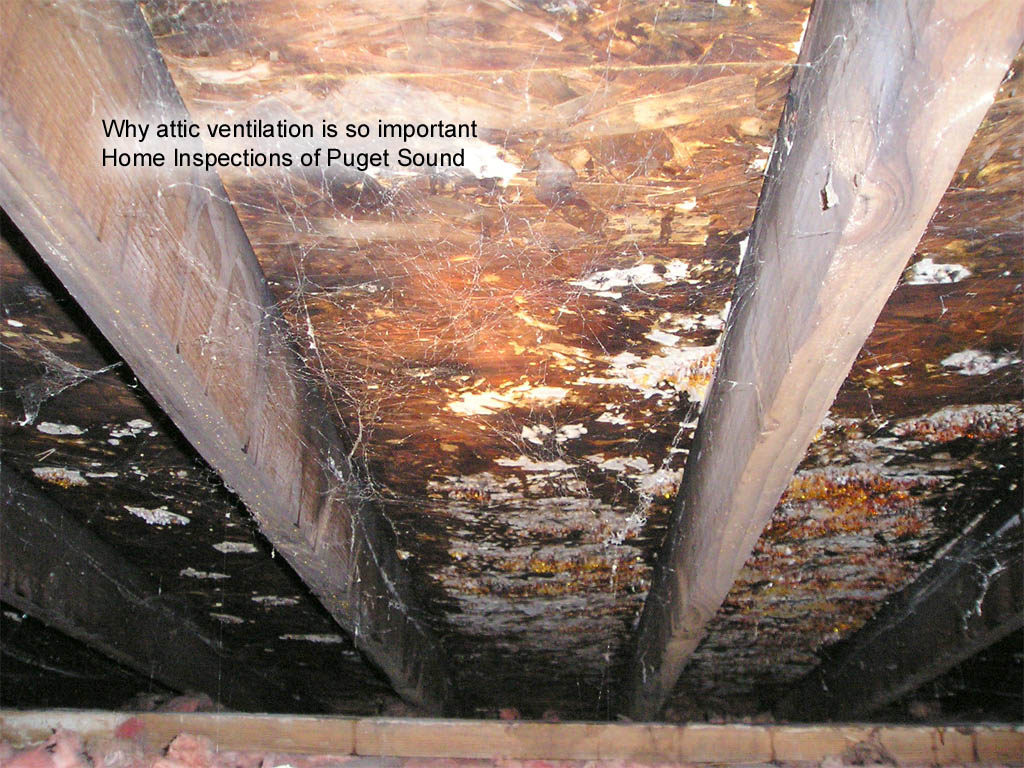
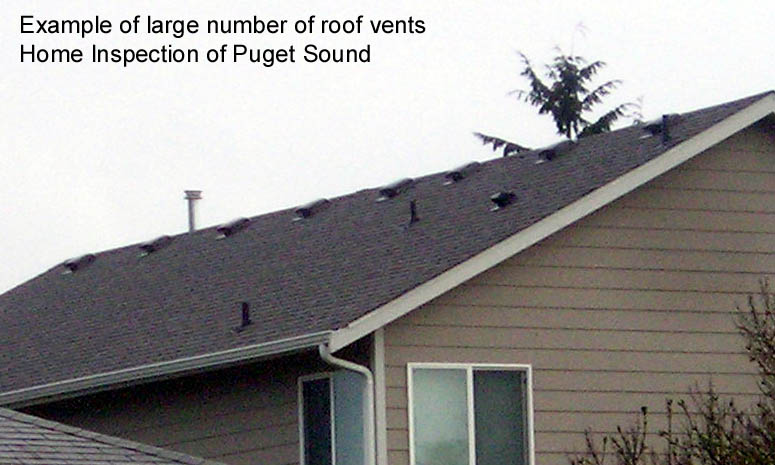
All homes should have attic ventilation, but most do not have enough. The temperature in the attic should be close to the outside air temperature but almost never is. I have personally recorded up to 145 degrees on a sunny summer day. Inadequate vents will contribute to wood decay, break down roofing prematurely, and will often lead to bio-growth (mold, mildew and fungus) Bio-growth over time may cause significant structural damage and potential health problems. If you look at a modern home, there are lots of roof vents. Modern building codes call for 1 square foot of ventilation for every 150 to 300 square feet of attic floor space, depending on vapor barrier and other construction factors. That means for a typical 1500 sq foot home, there should be 5 to 10 square feet of ventilation. Almost no older homes have this and therefore their attics are hot, humid and are a ready breeding ground for bio-growth and structural pests.

Adding Vents
We are continually recommending better ventilation in attics, and if you are re-roofing a home, it is usually a good idea to add several. They are cheap, and easy to install when re roofing, and will make the roofing and framing last longer. Roofers will sometimes complain at the time because they often don't want to stop the roofing project long enough to cut new holes in the roof but insist on them anyway. As with all contractors, time is money and to set up a saw, cut the hole and properly weave in the vent takes a few minutes more. It is worth every penny!

Powered vent options
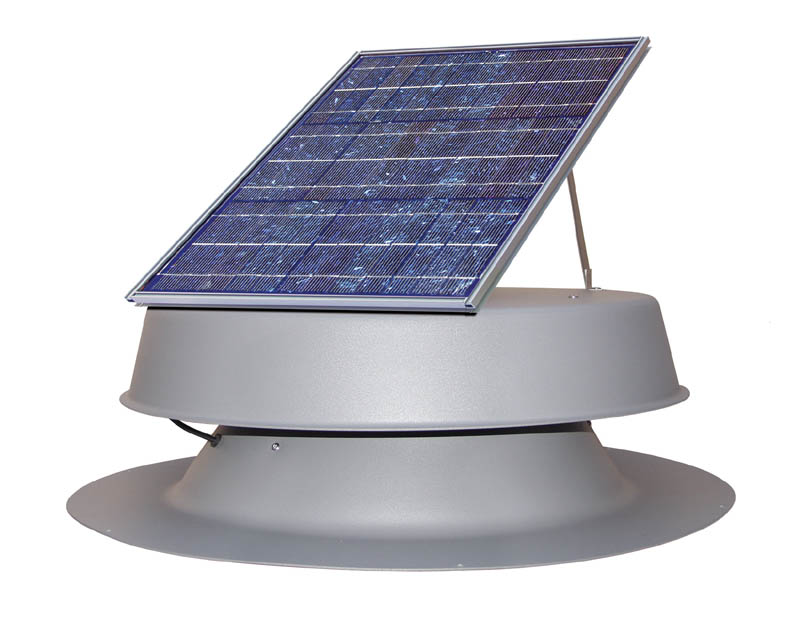
One excellent idea to add better ventilation for you attic is to consider a powered vent. Electric vents can move a lot more air and moisture from your home then passive ventilation. These come in several types, and most require professional installation. All powered vents will help reduce excess heat in the summer, potentially saving money in AC bills and making the home more comfortable. One of the newer and exciting energy saving alternatives are the solar powered vents. These have the advantages of the powered vents, but require no electricity from the home to run, and therefore no electrical permits to install. They can be thermostatically controlled, and will run when ever the sun is shinning. They are more expensive but since they use no power from the home, can be easier to install and they save electricity too. Read more about solar powered vent options here.


If you find this information useful, don't keep us a secret! List us on any of your favorite networking / bookmarking sites

  Bookmark and Share

Thursday, January 10, 2008

Interior Air Quality Problems and Solutions


Builders have made great strides to make our homes energy efficient. This has resulted in new problems with the quality of the air. We typically spend 12 or more hours a day in our homes resulting in potentially long term exposure to unhealthy air. Some homes have from 2 to 100 times more polluted air than outside. This pollution can cause serious health problems. Dust, smoke, pet dander, mold, mildew, and dust mites are all very common in the typical home. We have researched this problem and found several tips to improve air quality.

Fan forced furnaces:
If your home is equipped with a fan forced furnace, have the fan running continuously. This will draw air through the filters capturing harmful pollutants. Keep the filters clean, replacing them every 60 to 90 days. High efficiency air filters will capture up to 30 time more pollutants then standard filters. The spun organic/fiberglass filters are the poorest choice, so avoid the reusable washable types. If you do not have a fan forced furnace, you might consider using a portable air cleaner. The units have a huge range in costs and effectiveness, read more about portable air filter from the American Lung Association here.

Kitchens:
Keep the kitchen vented when cooking, especially if you are cooking with gas appliances. Combustion gases and burning foods can cause serious health problems. All gas cooking appliances require fresh air to properly operate and prevent accumulation of carbon monoxide. Use the exhaust fans and/or keep a kitchen window open while cooking.

Wood heating sources:
If you have a fireplace or wood stove, it is recommended that a window be kept open slightly to provide adequate combustion air, especially in a newer tightly constructed home. Keep firewood stored outside. Green firewood can release mold spores, which can contaminate your home. It is estimated that 1/3 of all Americans fail to do this making it one of the major contributors to indoor air quality problems.

Bioaerosols:
Excess moisture in the air can cause bioaerosols to proliferate. Mold, mildew, fungus and dust mites are all organisms that can cause health problems. Reducing the humidity/moisture sources and air handling equipment maintenance are important steps to controlling these problems.

Bathrooms:
Bathrooms are one common source of moisture, especially showers. Always use bath exhaust fans if present or open windows to remove excess moisture. Make sure bath fans are vented outside the home and not into attics.

Inspect vents and keep them clean:
Often crawlspace vents can get clogged with landscaping materials, weeds, grass clippings etc. Ventilation is very important to keeping crawlspace moisture low. Beside health issues, excessive moisture in crawlspaces is a conducive condition to wood destroying organisms. If you have combustion appliances, check the air intake vents to assure they are not clogged. Hot water heaters, furnaces, gas stoves etc are possible sources of carbon monoxide without a good supply of fresh air. The American Lung Association recommends annual service of all combustion appliances. At a minimum install carbon monoxide detectors on each level of your home.

"Bioaerosols are extremely small living organisms or fragments of living things suspended in the air. Dust mites, molds, fungi, spores, pollen, bacteria, viruses, amoebas, fragments of plant materials, and human and pet dander (skin which has been shed) are some examples. They cannot be seen without a magnifying glass or microscope." (1)

Sources
(1) Dr. Sandra A. Zaslow, Extension District Director, and Dr. Mary Beth
Genter, Extension Leader, Toxicology - North Carolina Cooperative Extension Service, publication FCS-360-5

American Lung Association


If you find this information useful, don't keep us a secret! List us on any of your favorite networking / bookmarking sites

  Bookmark and Share

Monday, December 31, 2007

Recalls, Class Action Lawsuits

Some recall information on common home components

These are some of the items that we see regularly and has come to the attention of government agencies as defective and or dangerous.

Gas furnace lawsuit
Cadet heater Information

LP Siding


90+ Effeciency Furnace Class Action Lawsuit Suzanne came accross this information on a class action lawsuit involving several of the most common gas furnaces around

United States District Court, Western District of Washington

If you own or owned a Carrier, Bryant, Payne, or Day & Night high efficiency gas furnace made after January 1, 1989, you could get benefits from a class action settlement.

This is the official Court website for the Grays Harbor Adventist Christian School v. Carrier Corporation class action settlement. The Court will hold a hearing on April 22, 2008 to decide whether to approve the settlement. Those included in the class action, together called a "Class," have legal rights and options, such as submitting a claim form to ask for a payment, excluding themselves from the settlement, objecting to it, or asking to speak at the hearing. The deadline for exclusions and objections is March 21, 2008. You may fill out and submit a Claim Form online or mail it postmarked no later than August 1, 2008 to the address on the form. Click here to see a list of models that are included in the settlement.

Click the links below to obtain a Claim Form or read the Court-ordered Notices, and other materials including a list of the furnace models that are included in the settlement, the Settlement Agreement, and the Preliminary Approval Order. Certain documents are in Adobe Acrobat PDF format. If your computer is not already configured with the free Acrobat software to view and print these documents, you may get Acrobat by clicking the logo below.

Furnace Models

Carrier 58SX* 58DXC 58MXB 58MVP 58SXA 58MSA 58UVB 58MVB 58SXC 58MCA 58SXB* 58MTA 58DX* 58MXA 58VUA 58MTB 58DXA 58MCB 58VCA 58MVC Bryant/Payne/Day & Night 398AAW* 398AAV 398BAZ 490AAV 398AAZ 350MAV 320AAZ PG9MAA 399AAW* 340AAV 321AAZ PG9MAB 399AAZ 350AAV 355MAV 355CAV 399AAV 351DAS 355AAV 340MAV 345MAV 355BAV 352MAV 398BAW* 352AAV

*Note: On model numbers 58SX, 58DX, 58SXB, 398AAW, 399AAW, and 398BAW only those with serial numbers 89 or higher in the third and fourth position (i.e. xx89xxxxxx) are included in the settlement.

Summary Notice Detailed Notice Claim Form Furnace Models Find a Bryant Dealer

Find a Carrier Dealer Settlement Agreement Preliminary Approval Order Notificación en Español

If you have any questions, please call 1-866-517-2490.


Cadet Electric Fan Forced Heaters Recall List

Some of the older Cadet electric heaters are known as a fire safety hazard. In 1999 they settled with the CPSC over several problematic models.

See our identification matrix with pictures here

The Cadet models in question are: series FW (FW-051, FW-101, FW-122, FW-202, and FW-751), 1978 and 1987; series FX (FX-051, FX-052, FX-071, FX-072, FX-101, FX-102, FX-122, FX-151, FX-152, FX-202, and FX-242), 1985 and 1994; series LX (LX-242, LX-302, LX-402, and LX-482), 1985 and 1994; series TK (TK-051, TK-071, TK-072, TK-101, TK-102, TK-151, and TK-152), 1984 and 1998; series ZA (ZA-051, ZA-052, ZA-071, ZA-072, ZA-101, ZA-102, ZA-122, ZA-151, ZA-152, ZA-202, and ZA-242), 1985 and 1999; series Z (Z-072, Z-101, Z-102, Z-151, Z-152, Z-202,and Z-208), 1993 and 1999

Encore brand name, including series RX (RX-072, RX-101, RX-102, RX-151,RX-152, RX-202, and RX-242), 1985 and 1994; series RLX (RLX-302, RLX-402, and RLX-482) 1985 and 1994; series RK (RK-101 and RK-102), 1984 and 1998; series RA (RA-101, RA-102, RA-151, RA-152, and RA-202), 1985 and 1994; series ZC (ZC-072, ZC-101, ZC-102, ZC-151, ZC-152, ZC-202, and ZC-208), 1993 and 1999.

For each of these heaters, the variants signified by the suffix T (with thermostat), W (white color), and TW (with thermostat and white color) found after the model number are -3- included. These heaters shall hereinafter be collectively referred to as “the Heaters." Cadet manufactured approximately 1,950,000 of the Heaters for sale to consumers principally in the States of California, Idaho, Montana, Oregon, and Washington.... Read the entire article here:


LP Siding

LP is one of the most common problematic siding products we see. The most important thing you can do if you have this is diligent maintenance (paint, caulk, trim landscaping materials). Since it is made of pressed and glued wood chips, there are lots of end grains that will readily absorb water if it is not properly sealed. Read this article on proper maintenance your LP.


If you find this information useful, don't keep us a secret! List us on any of your favorite networking / bookmarking sites

  Bookmark and Share