
With the coming colder and wetter weather it is time to think about maintenance on the home
Always use extreme care when using ladders or working on roofs, especially around power lines. If you are unsure in any way consult a professional to maintain theses items.
 Gutters & Downspouts
It seems obvious that if your gutter systems are not working properly water will likely damage some part of the structure. Make sure all gutters are cleaned usually 2 times a year, more depending on the number of trees dropping debris, etc. They should be all properly attached, no sagging low spots, with proper downspouts & splash blocks or other suitable drains. Water should discharge away from the home. Look around the home for areas of splash-up. This is caused by water running off the roof or gutter and causing mud to splash up onto the house.
 Roofs
Examine all penetrations (fasteners, utility holes, skylights, vents, etc) on your roof. Since tar lasts only a few years, we recommend that it be re tarred on regular intervals, depending on the products conditions. Check for cracking and shrinkage of material, this can be a potential leak point..
 Cleaning
Some homes have trees that drop extensive debris on them requiring regular maintenance. Debris piled around skylights, chimneys, valleys and drains can cause water to backup under roofing and flashings to cause leaks.
Chimneys
Inspect the crown, flashing, masonry, cap, etc. Have wood fired appliance chimneys examined and cleaned regularly, especially if you burn a lot.
 Caulking
Go around the entire exterior with a critical eye on all caulked areas. Fill and paint as necessary to maintain maximum protection from water and cold. A dry, tight house is far less likely to have problems with structural pests. Common areas that frequently need more caulk include: doors, windows,utility holes, gaps in siding, corners, vents, nail holes, fascias, soffitts, trim, etc.
Carefully note the condition the various painted surfaces on your structure. Look at each type of surface, wood, concrete, decking, rails, etc. Most homes paint condition will vary widely depending on the exposure to weather, landscaping damage, and different types of materials. All materials painted surfaces will fail at different rates. NOTE: Always use paintable caulk on the exterior of building. Silicone based caulks cannot be painted/stained.
Vinyl siding
Wash off moss, dirt and examine for cracks or any missing or damaged pieces that will require repair. Decks
Most decks fail at attachment to the house. The ledger or rim should be bolted to the home. Check decking for any rot, loose rails, weak stairs, raised nail heads, posts, beams, joists and footings. Examine the paint/stain condition. Clean off any moss or slimy surfaces to help prevent slips. Spantex decking surfaces only last a few years without ongoing maintenance. Regular re- application of the color- top coat is recommended. Make sure all drains on impervious covered decks are clean and working. Even the best made deck will leak if it doesn't have working drains.
 Landscaping
It is recommended that all landscaping be trimmed away from the building. Nearly all homes we look at have at least some landscaping problems. Some kinds are more destructive then others, be especially careful with climbing vines. This time of year trees are filling our gutters faster than we can keep up. While it is beautiful, it can easily cause damage to your home in several ways. One often overlooked problem is that the plants make natural pathways for all kinds of household and structural pests.

If you find this information useful, don't keep us a secret! List us on any of your favorite networking / bookmarking sites



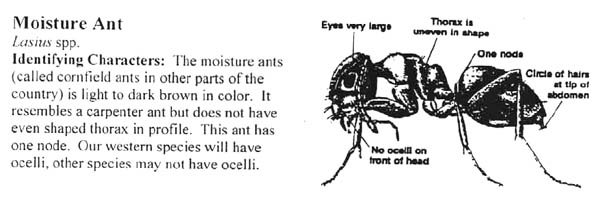
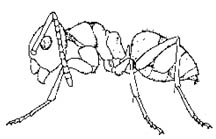
 Carpenter Ants have a evenly curved "thoracic dorsum", this is the back of the insect. Then most common member of this family is Modoc, it is black with reddish colored legs, but color is not a good indicator as some types have red parts. These are often found moving along foraging lines about 1 foot apart Trees, fences and firewood are all regular paths for that they are known to use.


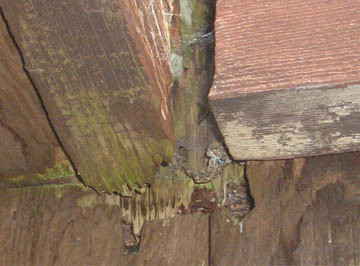
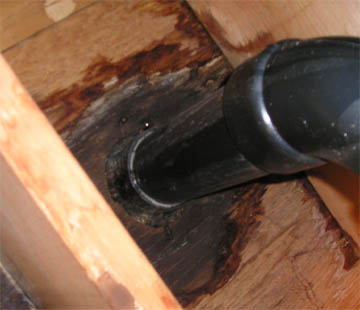 This moisture can come from rain, soil, water supply lines and drains. All these possible sources need to be addressed or there will certainly be a problem. Around here, keep it dry and them pests will usually keep away. This is a picture from under a toilet. We checked it before we got in the crawlspace, and noted that it was loose. This nearly always leads to leaks and if not promptly addressed, wood decay. Such leaks are sometimes not so obvious especially if there is insulation and or wall-board installed.
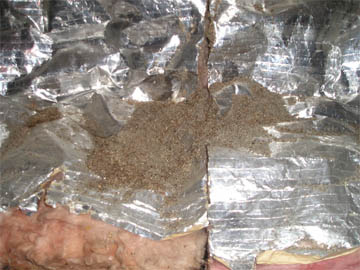 This is


 Most inspectors use simple outlet testers. While there are useful tools, (we have them too) our multi-meter can tell you so much more. This tool costs more, a lot more (70 times the cost of our outlet testers) and it is worth every penny!
 This tool is used to assess the relative moisture level of building materials such as wood, plaster,
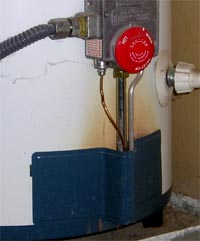
 Whenever we have a gas appliance, it is checked for leaks. This is extremely sensitive, and we only report leaks that are also verified by smelling them also. This is very expensive tool, and not all inspectors use them. We do, and make every effort to keep you and your family safe from the real risks associated with gas leak hazards.


